
Kansas City metro · John Beal Roofing since 1947
Impact-Resistant Shingles in Kansas City
What the Class 4 rating actually measures, where it helps on a Kansas City roof, and where it does nothing at all.
Short answer
An impact-resistant shingle is one that passed UL 2218, a test where steel balls are dropped on the shingle from a fixed height and the back of the mat is checked for cracks. Class 4 is the top of that scale and the only class most carriers care about. It does not make a roof hail-proof. It makes the mat far harder to fracture, which is the specific failure that ends an asphalt roof's life. In Kansas City that is worth real money on a roof you intend to keep. Free inspection and honest pricing on both options: 816-572-9500.
What the Class 4 rating is measuring
UL 2218 is a physical test, not a marketing tier. Steel balls of increasing diameter are dropped onto a shingle from a set height, twice in the same spot, and the specimen is then examined from the back side for cracking or splitting of the mat. Class 1 through Class 4 correspond to the ball sizes survived, with Class 4 the largest.
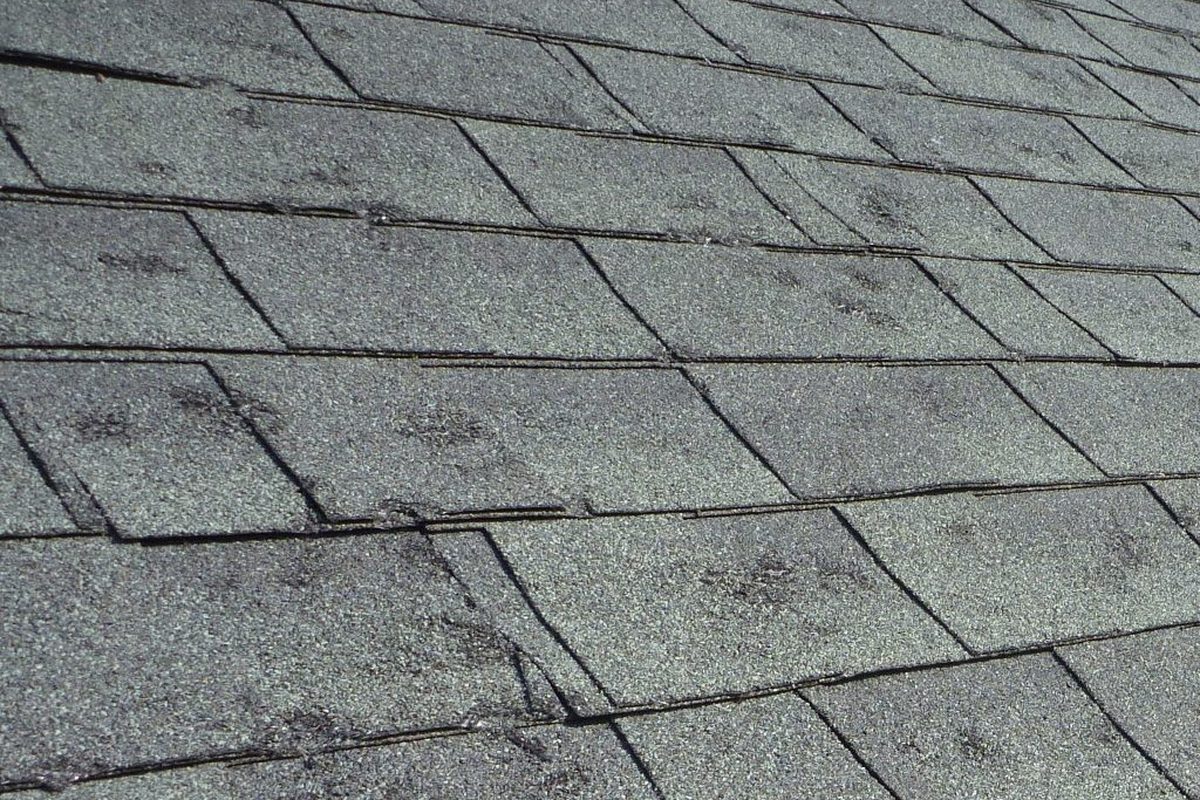
Notice what is being checked: the underside of the mat. That is deliberate, because mat fracture is what actually kills an asphalt roof. Granules getting knocked off is cosmetic on its own. Once the fiberglass mat behind them is cracked, the shingle has lost its structure and water gets a path, and no amount of sealant puts that back.
There is a second standard some products carry, FM 4473, which uses molded ice balls instead of steel. It is closer to real hail in some respects and less repeatable in others. Either way, both are lab tests on a new shingle at room conditions. A twelve-year-old shingle on a hot July afternoon is a different material, and no rating follows it that far.
How the products get there, and why they age differently
Most Class 4 shingles reach the rating one of two ways. Some use a modified asphalt with SBS rubber blended in, which stays flexible in cold weather and lets the shingle absorb a strike and deform instead of cracking. Others use a heavier reinforcing scrim or a thicker mat and get there mostly through mass.
The SBS-modified products behave better in a Kansas City February, when a standard shingle is stiff and brittle and a hail strike at 25 degrees does much more damage than the same stone in May. That cold-weather difference is one of the more practical reasons to spend the money here, and it rarely comes up in a sales conversation.
The heavier non-modified products are usually cheaper of the two and still hold the rating. They are a legitimate choice. If you are comparing two Class 4 bids that are a thousand dollars apart, the makeup of the shingle is frequently the reason, and it is a fair question to ask each bidder.
Where the insurance credit comes from, and what we will not tell you about it
Both Missouri and Kansas carriers commonly offer a premium credit for a roof covered in a Class 4 rated product. That credit is set by the carrier and the policy, not by the roofer, and it varies enough that any specific percentage a contractor quotes you is a guess.
So here is our position. We will install the product, and we will give you the manufacturer documentation showing the exact line installed and its rating, which is what your agent needs. What we will not do is promise you a discount figure or imply the credit pays for the upgrade. Call your agent before you sign, ask what the credit is on your policy, and get it in writing.
One related point that catches people. Some policies handle a Class 4 roof differently on the claim side as well, with separate treatment of cosmetic damage. Read that section. It can matter more than the premium credit does.
What an impact-rated shingle does not protect
The shingle is one component of a roof, and hail hits everything else too. Aluminum fascia, gutter, downspouts, soft metal roof vents, turtle vents, ridge vent covers, furnace and plumbing flashing, and painted garage doors all dent at stone sizes well below what a Class 4 shingle shrugs off.
Skylights are their own exposure. So are older polycarbonate or acrylic domes on additions and sunrooms, which get brittle with UV age and can be cracked by hail that leaves the field of the roof intact. We look at all of it during an inspection, because a claim built only around the shingles misses damage the homeowner is going to be paying for later.
There is also a reasonable ceiling on the whole idea. Stones large enough and driven hard enough will damage any asphalt roof made. Class 4 moves where that line sits. It does not remove it, and anybody selling it as a permanent end to hail claims is overselling it.
When we recommend it and when we do not
We recommend it when you plan to be in the house a while, when the roof is a full replacement rather than a partial, and when a real premium credit exists on your policy. Over a long enough hold, avoiding one deductible and one round of disruption usually settles the math on its own.
We are lukewarm on it when the house is going on the market inside a couple of years, when the roof is small and simple enough that a standard replacement is not a large expense either way, or when the budget is already stretched. In that last case there are better places to put the money, starting with the flashing and the ventilation.
And to be direct about the boundaries of what we do: we do not absorb deductibles and we do not negotiate claims. Our role on a storm is to inspect thoroughly and document what is there, on the roof and everywhere else hail landed, and hand you the photographs. The claim is between you and your carrier.
Frequently asked
Does a Class 4 shingle look different from a standard one?
Can I put impact-resistant shingles on just the slopes that face the storms?
Will my carrier accept my word that the roof is Class 4?
How much more does a Class 4 roof cost?
My roof is only six years old. Is there any point?
Related Kansas City roofing pages
- Storm and Hail Damage Roof Repair in Kansas City
- Roof Replacement in Kansas City
- Shingle Replacement in Kansas City
- Free Roof Inspection in Kansas City
Areas we cover for this work
Impact-Resistant Shingles in Kansas City
Free, no obligation, and we hand you the photographs either way.
Price a Class 4 roof next to a standard one and compare them side by side
Free inspection, photographs you keep, and both options written out so the difference is a number instead of a sales pitch.