
Kansas City metro · John Beal Roofing since 1947
Storm and Hail Damage Roof Repair in Kansas City
Hail damage is a fracture in the shingle mat, not a dent you can see from the driveway. We document it properly.
Short answer
Hail damages an asphalt roof by fracturing the fiberglass mat beneath the granule surface, which shortens the shingle's life and eventually leads to leaks even though the roof may not leak the day after the storm. It is generally not visible from the ground. A proper storm inspection means someone on the roof examining every slope, chalking and photographing individual impacts, checking soft metals such as gutters, downspouts, vents and flashing for confirming dents, and documenting the direction of the storm across the property.
What hail actually does to a roof
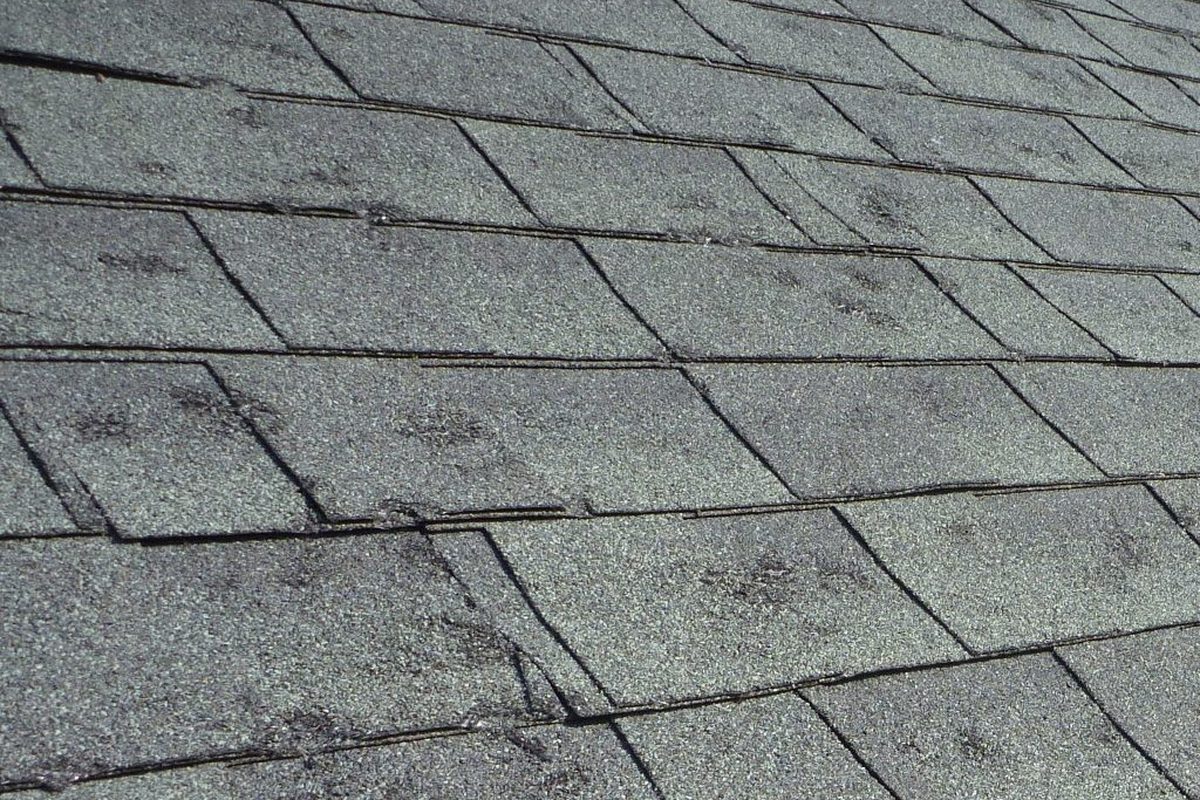
People expect hail damage to look like a hole. It almost never does. A hail impact on an asphalt shingle knocks granules loose and fractures the fiberglass mat underneath, creating a soft bruise that you can feel with a thumb more easily than you can see from a distance.
That fracture matters because the mat is the structural layer of the shingle and the granules are its UV protection. Once the granules are gone from a spot, the asphalt beneath begins breaking down under sunlight, and once the mat is fractured the shingle loses flexibility around that point. Neither produces a leak the week of the storm. Both reliably produce one within a few years.
This is why an undamaged-looking roof can be legitimately hail damaged, and why the insurance industry treats functional damage as a covered loss. It is also why hail claims get denied when nobody documented the damage properly.
What a proper storm inspection looks like
Someone has to get on the roof. Every slope has to be examined separately, because hail is directional and a storm that destroyed the west slope may have left the east one untouched. We chalk individual impacts, photograph them with a reference for scale, and count hits per test square, which is the metric an adjuster works from.
We also check the soft metals. Gutters, downspouts, roof vents, valley metal, flashing, and anything aluminum on the property record hail impacts clearly, and they corroborate the shingle damage. Fences, decks, siding, window screens and air conditioner fins tell the same story. An adjuster who is on the fence about the shingles often is not on the fence about the AC unit.
Then we document the whole property, not just the house. Detached garages, sheds, shops and barns are covered under most policies and they are the single most commonly omitted item on a claim.
How the claim process actually works
You file the claim with your carrier. They assign an adjuster who comes out and writes a scope of what they believe is damaged and what it costs to repair. You choose your contractor. The carrier pays based on their scope, typically in two parts: an initial payment and a supplemental release once the work is complete.
Our role is documentation. We inspect thoroughly, photograph everything, produce a written scope, and we are on site when the adjuster comes out so the two scopes are being written about the same roof. Where the adjuster's scope misses something we can point at, we provide the evidence.
We do not negotiate your claim for you, we do not promise to get your deductible waived, and anyone who does is describing insurance fraud. What we do is make sure the damage on your property is fully and accurately documented, which is what the claim rests on.
Wind damage is its own category
Kansas City gets more wind events than hail events, and wind damage is assessed differently. Missing shingles are obvious. The less obvious and more common form is a shingle whose sealant strip has been broken by wind, leaving it lying flat but no longer bonded.
That shingle will lift in the next storm. Testing for it means physically checking whether shingles release along the courses, which cannot be done from the ground and is skipped by anyone doing a five-minute inspection. It is legitimate, claimable damage.
Frequently asked
How long do I have to file a hail claim?
Will filing a claim raise my rates?
My roof does not leak. Can it still be damaged?
Do you meet the insurance adjuster at my house?
What if my claim is denied?
More Kansas City roofing resources
- Roof Replacement in Kansas City
- Roof Repair in Kansas City
- Free Roof Inspection in Kansas City
- 24/7 Emergency Roof Repair in Kansas City
- Commercial Roofing in Kansas City
- Gutters and Downspouts in Kansas City
- Impact-Resistant Shingles in Kansas City
- Metal Roofing in Kansas City
- Wind Damage Roof Repair in Kansas City
- Filing a Roof Claim in Missouri
- Filing a Roof Claim in Kansas
- Spring Storm Season Roof Prep in Kansas City
Storm and Hail Damage Roof Repair in Kansas City
Free, no obligation, and we hand you the photographs either way.
Storm came through? Get it documented before the claim window closes
Free inspection of every slope and every structure on the property, photographed and written up.