
Kansas City metro · John Beal Roofing since 1947
How a Kansas City Roof Insurance Claim Works
Filing, the adjuster visit, the two payments, and the parts that trip people up.
Short answer
A roof insurance claim runs in a set sequence: document the damage, file with your carrier, meet the adjuster on site with your contractor present, receive the carrier's scope and an initial actual cash value payment, complete the work, then submit the final invoice to release the recoverable depreciation. Your out-of-pocket is normally your deductible plus any upgrades you choose. The contractor's job is documentation, not negotiation.
The sequence, start to finish
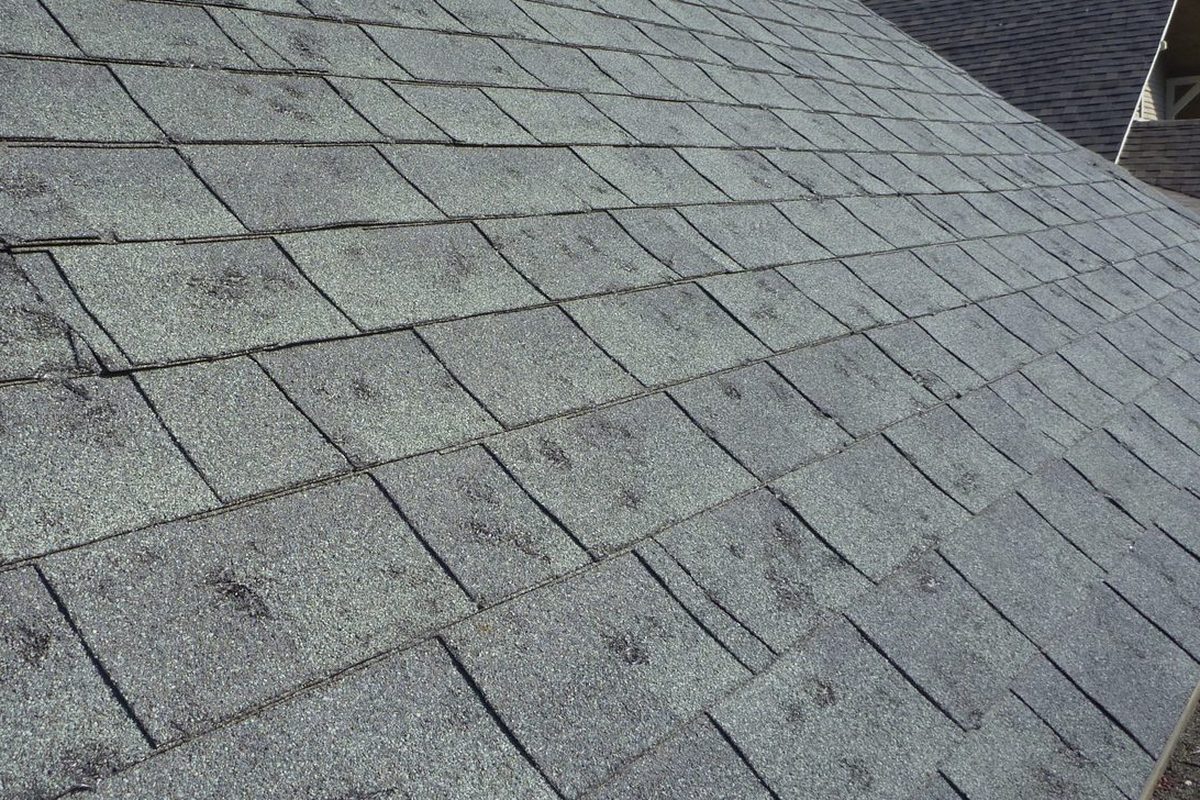
1. Document before you file. Get a thorough inspection with photographs of every slope and every structure. Filing a claim on a roof nobody has examined is how people end up with a claim on their record and no payment.
2. File with your carrier. Give them the date of loss and what you have found. They open the claim and assign an adjuster.
3. The adjuster visit. Have your contractor there. The adjuster writes a scope of what they consider damaged. Two people writing scopes off the same roof on the same day resolves most disagreements before they start.
4. The scope and first payment. The carrier issues their estimate and pays the actual cash value, which is the replacement cost minus depreciation minus your deductible.
5. The work. Completed to the scope, with any supplements documented as they come up, which is normal when the roof is opened and something is found.
6. Final payment. The final invoice goes to the carrier and the withheld depreciation is released, assuming you have replacement cost coverage.
ACV versus RCV, and why the first check looks small
Most policies are replacement cost value policies, which means the carrier will ultimately pay what it costs to replace the roof. But they do not pay all of it up front. The first payment is actual cash value: the replacement cost, minus depreciation for the age of the roof, minus your deductible.
That first check often shocks people. On a fifteen-year-old roof the depreciation can be substantial, and the check can look like a fraction of the job cost. The withheld amount is called recoverable depreciation, and you get it once the work is done and invoiced.
Some policies, particularly on older roofs, are actual cash value only, with no recoverable depreciation. That is a very different financial position and it is worth knowing which one you have before a storm, not after.
Where claims go wrong
Incomplete documentation. Slopes not inspected, outbuildings not included, soft metals not photographed. Items not on the scope tend to stay off it.
Filing before inspecting. A claim on an undamaged roof is still a claim.
Missing the notice window. Most policies require prompt notice, and many cap it at one or two years from the date of loss.
Signing away control. An assignment of benefits hands your claim to the contractor. It is occasionally appropriate and frequently regretted.
Deductible games. Any contractor offering to absorb your deductible is proposing fraud, and the exposure lands on you.
What we do and do not do
We inspect thoroughly, photograph everything, write a detailed scope, meet the adjuster on site, and provide supporting documentation where the two scopes differ. If a re-inspection is warranted we give you what you need to request one.
We are not public adjusters and we do not negotiate your claim on your behalf, because that is a licensed activity in most places and doing it without the license is a problem for you as much as for us. What we provide is complete, credible evidence, which is what a well-handled claim actually turns on.
Frequently asked
What is recoverable depreciation?
Do I pay my deductible to the roofer or the insurance company?
What if I do not do the work? Do I keep the money?
Can I choose my own contractor?
Does the adjuster's number decide what I pay?
More Kansas City roofing resources
- Roof Replacement in Kansas City
- Roof Repair in Kansas City
- Storm and Hail Damage Roof Repair in Kansas City
- Free Roof Inspection in Kansas City
- 24/7 Emergency Roof Repair in Kansas City
- Commercial Roofing in Kansas City
- ACV vs RCV on a Roof Claim
- Filing a Roof Claim in Missouri
- Filing a Roof Claim in Kansas
How a Kansas City Roof Insurance Claim Works
Free, no obligation, and we hand you the photographs either way.
Get the documentation your claim depends on
Free inspection, every slope photographed, written scope, and we meet your adjuster on site.