
Kansas homeowners · Johnson, Wyandotte, Leavenworth and Douglas counties
How to File a Roof Claim in Kansas
The Kansas side has one advantage Missouri does not: a registration number you can check before anyone gets on your roof.
Photographs first, phone call second
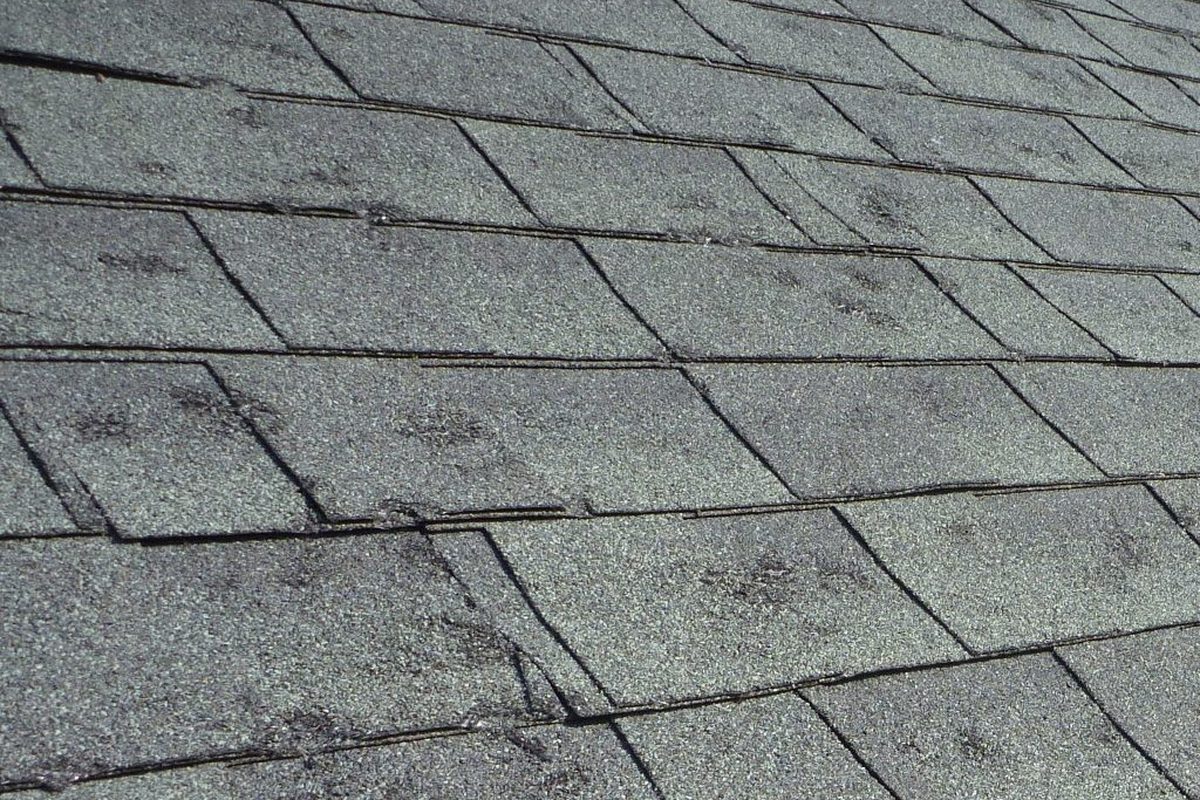
The order matters. A claim is a factual record, and the facts are easiest to establish the week the storm happened. Get someone on the roof who will chalk what they find and photograph it, then decide whether the damage is worth filing against your deductible.
A useful file has more in it than shingle pictures. Dented gutter aprons and downspouts, dinged vent hoods, chips on the air conditioner fins, the direction the storm crossed the property, and the date. Those items corroborate each other, and an adjuster who can see three independent signs of the same event is not being asked to take anybody's word for anything.
You keep the photographs. We give homeowners the whole set at the end of the inspection, hired or not, because a homeowner holding their own documentation is in a better position than one who has to request it from a contractor later.
Kansas registration numbers, and how to check one
Kansas requires roofing contractors working in the state to carry a roofing registration, and the number is public. That is a real screen, and it is more than Missouri homeowners get. Ask for the number before anyone climbs a ladder, and verify it against the state rather than the business card.
Registration is not a quality rating. It confirms the company exists on paper, carries what the state asks for, and can be found again in two years. Pair it with the things that actually predict how a job goes: a permanent address in the metro, current general liability and workers compensation confirmed by calling the carrier on the certificate, and crews that work for the company rather than whoever answered an ad after the storm.
Cities on the Kansas side add their own contractor licensing and permitting on top of the state registration. Overland Park, Olathe, Lenexa, Shawnee and Leawood each run their own process. Ask whether the company is set up to pull in your city, because if they are not, the permit ends up in your name and the liability follows it.
How the claim moves once it is open
You call the claims line, give the date of loss and what you found, and get a claim number. The carrier assigns a field adjuster or sends an independent one, and they schedule a visit. On a busy hail week in Johnson County that appointment can be two or three weeks out, which is normal and not a sign anything is wrong.
Have your roofer at the appointment. The adjuster will typically run test squares, count impacts within a marked area on each slope, and decide whether the slope meets the carrier's threshold. Being present means the items your roofer already chalked get looked at rather than missed, and it means you hear the reasoning first-hand instead of reading a summary a week later.
The carrier then issues a scope with line items and a payment. Read it against your roofer's scope. Where a line is missing, the fix is a supplement request with photographs attached, submitted by you as the policyholder. Our job is producing the documentation that request rests on. We do not negotiate the claim and we do not represent you to your carrier.
Permits and inspections on the Kansas side
Every city in Johnson County wants a roofing permit for a tear-off, and most of them send an inspector out afterward. That inspection is worth having. It is a second set of eyes confirming nail patterns, ice-and-water placement at the eaves and ventilation, and it costs you nothing beyond the permit fee already in the scope.
The contractor pulls the permit under their own registration and license. If someone asks you to pull it as a homeowner, that shifts responsibility for the work onto you and it usually means they cannot pull it themselves.
Timing runs longer after a metro-wide hail event, because every city is processing the same surge. We schedule around it rather than starting work and hoping the paperwork catches up.
Where Kansas homeowners get stuck
Partial approvals are the most common one. The carrier approves two slopes and not the other two, which leaves you with a roof that is half new and half eight years old, two different weathering paths, and a warranty position that is hard to describe. Sometimes the right move is to accept it and sometimes it is to document the remaining slopes again. Either way you should understand what you are agreeing to before the check is deposited.
The second is waiting. People get an approval, put the check in the bank, and let a season go by. Depreciation that is recoverable only becomes payable when the work is done and invoiced, and most policies put a limit on how long that stays available.
The third is signing a contingency agreement at the door before any scope exists. A signature that binds you to a contractor based on whatever the carrier eventually approves is not a price and it is not a plan. Get the scope, get the number, then decide.
Frequently asked
Does Kansas require roofing contractors to be registered?
Can I get a second opinion after the adjuster leaves?
Will my premium go up if I file a hail claim?
What if only part of my roof is approved?
Do you handle the claim for me?
Related pages for Kansas homeowners
Kansas Roof Inspection and Claim Documentation
We photograph every slope and hand you the file. No cost, and no pressure to file.
Know what is on the roof before you open a claim
A slope-by-slope inspection, photographs you keep, and a written scope you can compare against the carrier's.