
Kansas City metro · John Beal Roofing since 1947
Roof Inspections When Buying or Selling a Kansas City Home
A general home inspection gives the roof a few minutes. Here is what a roofer checks before you close, and what to do with what we find.
Where the home inspection usually stops
Home inspectors cover a lot of ground in a single visit: wiring, plumbing, the furnace, the foundation and the roof. They're good at spotting that something is off. On the roof, though, many of them work from the ground, from a ladder at the eave or from drone photos, and plenty won't put a person on a steep or wet slope at all.
That isn't a knock on inspectors. Walking a steep roof safely takes harness gear and experience most of them don't carry. What buyers usually get is a report line that says the roof shows wear and should be evaluated by a qualified roofing contractor. That sentence shows up a few days into a short contingency window, and nobody is sure what it means.
A roofing inspection answers it. We look at one system instead of twenty, and it's the system that costs the most to replace.
What we check on a house that's under contract
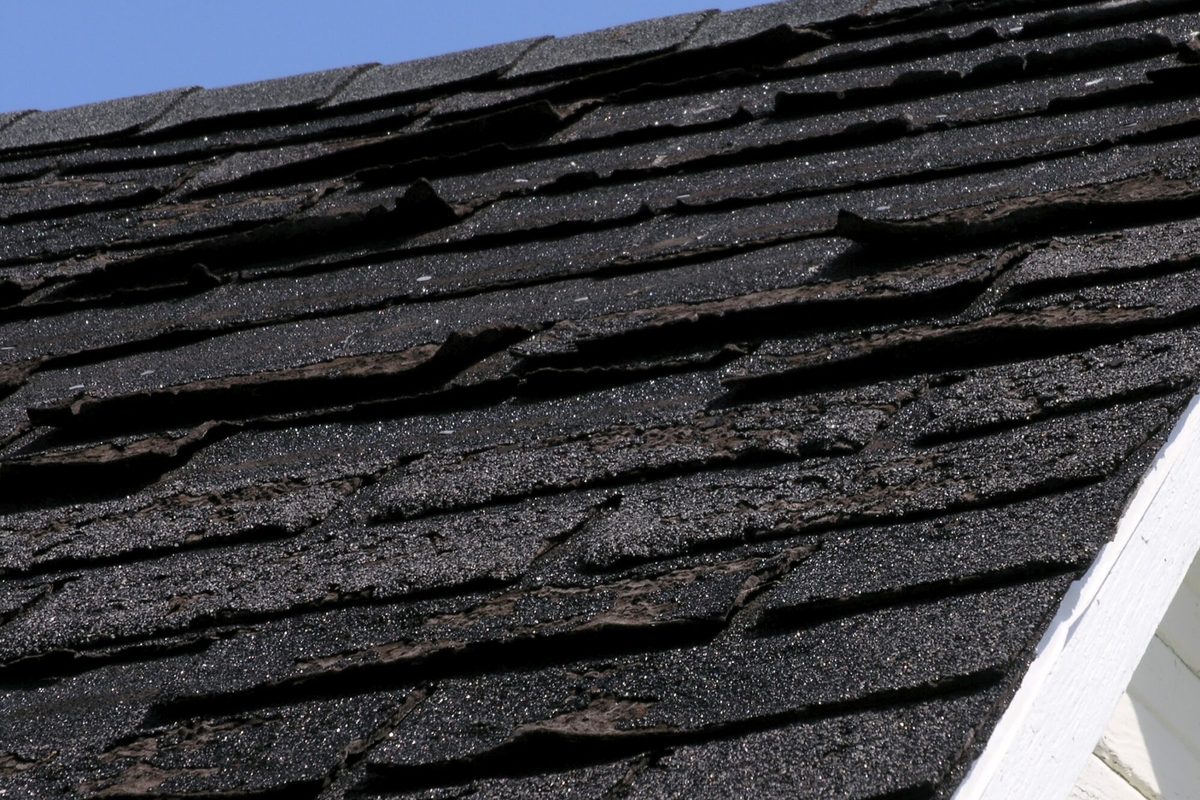
Up top, we start with the shingles themselves. Granule loss that exposes the black mat, tabs that curl at the corners or cup in the middle, cracks across the tab, and sealant strips that have let go so the shingles lift in wind. We note patches where the color doesn't match, because a run of repairs says something about the roof's history.
Flashing gets a close look. Chimneys, sidewalls, dormers, skylights and the rubber boots around plumbing pipes are where water gets in, and where cheap repairs tend to hide under a smear of roofing cement.
We count layers at the eave or rake. Two layers of shingles means the next replacement includes tearing both off, which adds labor and disposal. A buyer should know that now, not in eight years.
Underfoot, a soft or springy spot means the decking below has been wet long enough to weaken. In the attic we check the underside of the sheathing for dark staining, daylight around penetrations, rusted nail tips, and bath fans that dump into the attic instead of outside. Last come the intake and exhaust vents, then the gutters and drip edge where the roof sheds its water.
Questions to settle before the contingency runs out
How old is the roof? Sellers often know the year, and a permit record can confirm it. Age alone doesn't condemn a roof, but it frames everything else in the report.
Has there been an insurance claim? A recent hail replacement is good news. An open claim the seller never acted on is a different situation, covered further down.
How will your insurer treat this roof? Some policies settle older roofs at actual cash value instead of replacement cost. Call your agent before closing and ask how your policy handles a roof of this age. Our page on ACV vs RCV roof coverage explains the difference.
Then the plain one: does it need anything right now? We'll tell you whether it needs nothing, a specific repair, or a replacement in the near term, and we'll show you why.
Selling? Have it looked at before you list
A buyer's inspection that turns up a roof problem puts you in a negotiation with a deadline attached. Finding out ahead of time gives you choices. Small items like a cracked pipe boot, a few missing shingles or a loose run of step flashing can be repaired before the listing goes live, and you can hand the buyer the photos and the invoice.
Replacing a worn-out roof right before you sell isn't automatically the right move. Some sellers come out ahead pricing the roof's condition into the listing and letting the buyer decide. We'll give you a written scope and price either way so you and your agent can work from real numbers.
What the photos and notes are good for
Everything we find is photographed and dated, and you keep the photos whether or not you hire us. Buyers use them to ask for a repair, a credit at closing or a price change. Sellers use them to show the roof has been looked after. Agents on both sides would rather see pictures than read a paragraph.
We'll also tell you when a roof is fine. A worn-looking roof with sound flashing, flat shingles and dry decking can have years left in it. Saying so costs us a job and saves you an argument you didn't need.
Hail history and claims during a sale
Kansas City gets hail most springs, and plenty of roofs in the metro carry storm damage nobody ever reported. If we find hail bruising or wind creasing on a house under contract, timing matters. Only the policyholder can file on that policy, and until closing that's the seller. Whether to file, and how that affects the sale, is something the buyer, the seller, both agents and the insurance company have to sort out.
We stick to documentation: what we see, where it is, with photos. We don't negotiate claims, and we don't pay or waive deductibles. Our hail damage guide covers what adjusters look for.
Scheduling inside a short window
Inspection contingencies don't leave much slack. Call as soon as the contract is signed so there's time for a repair quote if you need one. Our line at 816-572-9500 is answered live around the clock, and Kansas-side callers can use 913-281-6000. A full roof inspection is free.
Home buyer and seller roof questions
Is a roofer's inspection the same as a home inspection?
Can you tell me exactly how many years the roof has left?
Should the buyer or the seller schedule the roof inspection?
Will someone actually walk the roof?
What if the seller says the roof was just replaced?
Related Kansas City roofing pages
- Free Roof Inspection in Kansas City
- Roof Repair in Kansas City
- Roof Replacement in Kansas City
- Roof Decking Replacement in Kansas City
- Black Streaks, Algae and Moss on KC Roofs
- Signs You Need a New Roof
Areas we serve on both sides of the state line
Schedule a roof inspection before closing
Tell us the address and your contingency date. The inspection and the photos are free.
Know what the roof needs before you sign at closing
A free roof inspection with dated photos you can share with your agent, the other side and your insurer.